Link copied
How Global Political Tensions Are Quietly Reshaping Financial Markets.
stock :: 2026-01-25 :: source - investorshd
By Ijlal Ahmed
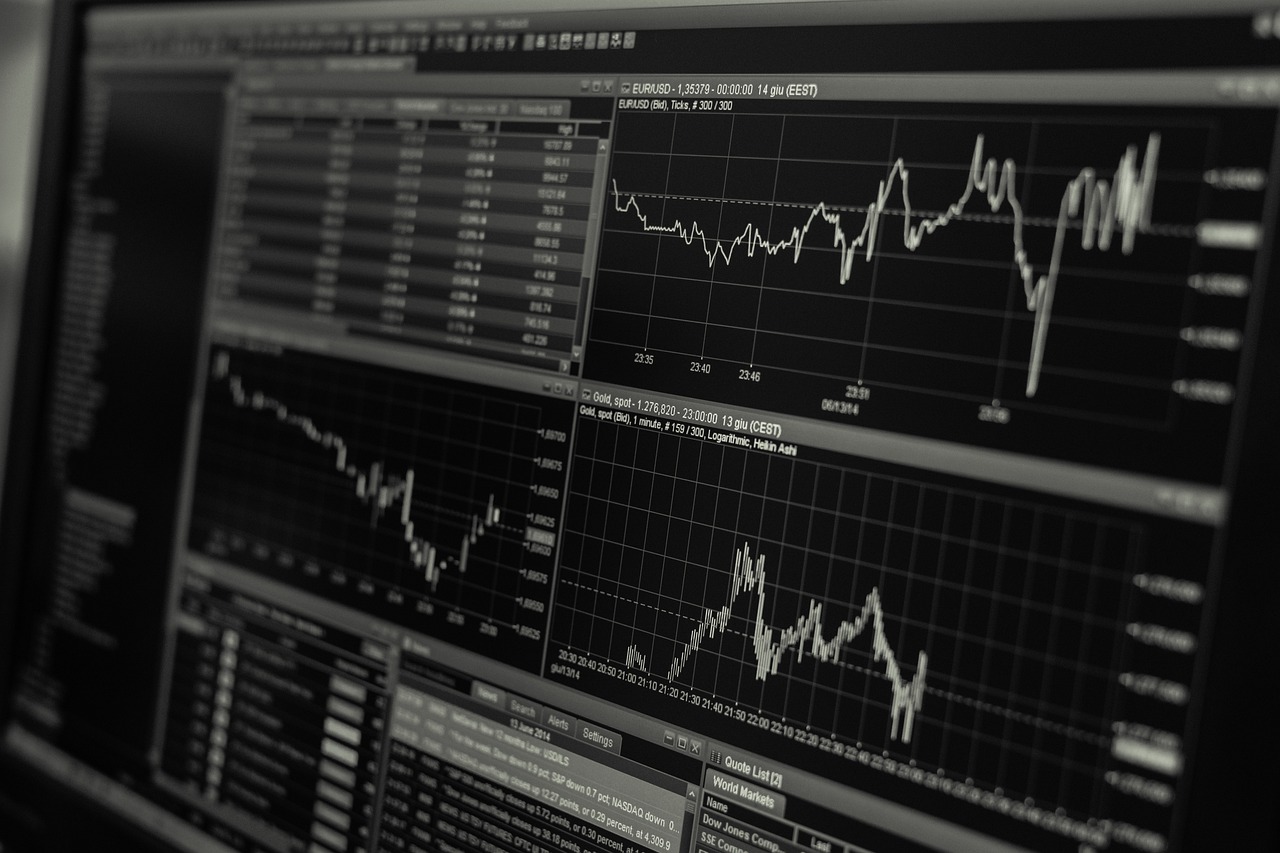 How Global Political Tensions Are Quietly Reshaping Financial Markets. Image source: Pixabay
Introduction
Over the past few years, it has become clear that financial markets no longer move on economic data alone. Political decisions, regional conflicts, and geographical tensions now play a major role in shaping market behavior.
From instability in the Middle East to the ongoing Russia–Ukraine war and growing US–China rivalry, global events are influencing everything from oil prices to currencies and investor confidence.
Why Politics Has Become a Major Market Driver
Markets thrive on stability. When political uncertainty rises, confidence weakens and volatility increases.
During periods of tension, investors typically:
- Move capital into safer assets
- Reduce exposure to high-risk markets
- Closely follow political developments
According to MarketWatch, geopolitical uncertainty is now one of the strongest short-term market influencers worldwide.
Middle East Conflicts and the Impact on Energy Markets
The Middle East remains one of the most strategically important regions for global energy supply. Any disruption or escalation in the region often leads to immediate reactions in oil markets.
Recent developments have:
- Pushed crude oil prices higher
- Increased inflation concerns
- Strengthened demand for gold as a store of value
Business Insider Markets regularly tracks how geopolitical risks affect oil and commodity pricing.
The Russia–Ukraine War and Currency Volatility
The prolonged conflict between Russia and Ukraine continues to reshape global trade and financial stability.
Its effects include:
- Energy supply disruptions in Europe
- Pressure on food prices
- Fluctuations in major currencies
As reported by Yahoo Finance, the US dollar often strengthens during periods of global uncertainty as investors seek relative safety assets.
US–China Tensions and Global Trade Shifts
Rising tensions between the United States and China have extended beyond diplomacy and into financial markets.
Trade restrictions and technology controls have:
- Reshaped global supply chains
- Affected technology stocks
- Changed long-term investment strategies
Investopedia highlights how geopolitical divisions are increasingly influencing global investment decisions.
How Investors Are Responding
Rather than reacting emotionally, many investors are adapting by:
- Diversifying across asset classes
- Increasing exposure to commodities
- Reducing leverage during uncertain periods
- Staying informed about political developments
Tools from Barchart help track real-time market reactions to global events.
Final Thoughts
Political and geographical issues are no longer background noise in financial markets. They are active forces shaping investment trends and economic outcomes.
Investors who understand these connections are better positioned to manage risk and identify opportunities, even during uncertain times.
This week top market trends.
-
CD vs. mutual fund: Which is a better investment?
2026-01-18 :: investing ideas :: yahoo finance -
Trump threatens 100% tariffs on Canada over China trade deal.
2026-01-25 :: watchlist :: yahoo finance -
UnitedHealth forecasts 2026 profit slightly above estimates
2026-01-27 :: companies :: reuters -
Trump says he wants government to buy $200B in mortgage bonds in a push to bring down mortgage rates
2026-01-09 :: treasuries & bonds :: apnews -
'Quiet-Quitting' of US Assets Fuels Boom in Bets From EM to Gold
2026-01-23 :: stock :: bloomberg
Recent global market news
-

How to Build a Financial Safety Net That Actually Works (Even in Uncertain Times)
2026-01-22 :: :: investorshd -
Gold rises after topping $5,000 for the first time in 'breathtaking and profoundly scary' rally
2026-01-26 :: :: yahoo finance