Link copied
Dollar Rallies as Oil’s Surge Curbs Bets on Fed Rate Cuts.
foreign exchange :: 7hrs ago :: source - bloomberg
By David Finnerty and Vassilis Karamanis
(Bloomberg) -- The dollar strengthened versus all its major peers as a spike in oil prices spurred traders to dial back bets on Federal Reserve interest-rate cuts this year.
Bloomberg’s gauge of the dollar rose as much as 0.8% to its highest since early February following the weekend’s US and Israeli military strikes on Iran. With the effective closure of the key Strait of Hormuz driving up oil by the most in four years, the inflationary impact has swaps traders pricing 56 basis points of Fed rate cuts this year, down from 60 basis points on Friday.
Most Read from Bloomberg
“It’s probably an early sign that the market thinks the Fed will be less inclined to cut rates if this oil price surge is sustained and ultimately translates into higher US inflationary pressure,” said Gareth Berry, a strategist at Macquarie Group in Singapore. “This is contributing to dollar strength — on top of the risk-off tone — while at the same time causing some mild selling of US Treasuries.”

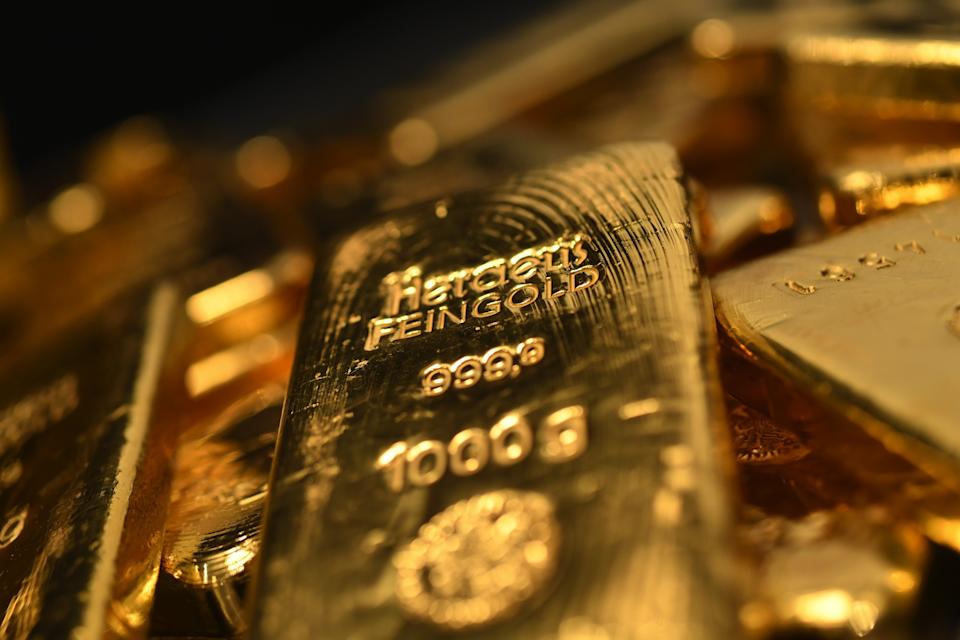
The move extends a recovery in the greenback in recent weeks, after it slumped to the lowest since 2022 in January. The rally was also aided by worsening risk sentiment, with a drop in global stock markets and a rush to buy gold as a haven.
What Bloomberg’s Strategists Say...
“With risk aversion dominating, most cyclical currencies are likely to selloff versus dollar, which benefits from both haven demand and its status as a net energy exporter. The greenback’s overall beta to energy is only modestly positive, as oil typically rises alongside stronger global growth — the middle of the ‘dollar smile.’”
— Skylar Montgomery Koning, macro strategist. For full analysis, click here.
US President Donald Trump said the bombing campaign against Iran will continue until its objectives are achieved, calling on the nation’s leaders to capitulate. Iran’s national security chief said the country won’t negotiate with the US.
Options Divergence
A look at the options market suggests the dollar move is less about classic haven demand and more about oil. Traders are betting the greenback will rise most against currencies of oil-importing nations such as the euro and pound, while the reaction against those from oil-producing nations was far more muted.
The pound fell by as much as 1.3% to $1.3314, its lowest this year, while the euro dropped nearly 1%. By contrast the Canadian dollar and Norway’s krone barely dipped.

In a typical haven-driven rally, the dollar would strengthen across the board. So the divergence between currencies points to energy costs, not fear, as the main driver. That’s also reflected in the bond market, which slipped on Monday.
The Iran crisis may be reviving the traditional relationship between the greenback and oil, as the US is a net energy exporter. The correlation between the two turned positive on Monday for the first time in three months.
“The early days of the Ukraine playbook will be dusted off and used for FX and rates,” said Jordan Rochester, head of fixed income, currencies and commodities strategy in EMEA at Mizuho. “If we have oil at these levels or higher it’s a terms-of-trade shock that snaps the old USD correlations back after a year of slumber.”
--With assistance from Alice Atkins.
Most Read from Bloomberg Businessweek
This week top market trends.
-
Share of Palantir rose as their Q4 earnings beat Wall Street estimates on strong sales to US businesses
2026-02-03 :: companies :: yahoo finance -
Oil Steadies as Traders Await Upcoming US-Iran Nuclear Talks
2026-02-25 :: commodities :: bloomberg -
Nearly 90% of North American, European firms hedge FX exposure as uncertainty rises, survey says
2026-02-26 :: foreign exchange :: reuters -
Warsh’s Return Revives Tensions Over the Fed’s $6.6 Trillion QE Hangover
2026-02-02 :: general :: bloomberg -
Dell Jumps After Projecting AI Server Sales of $50 Billion
2026-02-27 :: companies :: bloomberg
Recent global market news
-

US stocks are off to their worst start versus the global market since 1995
2026-02-18 :: :: yahoo finance