Link copied
Powell issues an 'essential' reminder about why inflation expectations are so important.
general :: 8hrs ago :: source - yahoo finance
By Hamza Shaban
This is The Takeaway from today's Morning Brief, which you can sign up to receive in your inbox every morning along with:
What we're watching
What we're reading
Economic data releases and earnings
Sentiment data often gets poo-poohed because of our messy, irrational, and contradictory ways of thinking.
The main idea behind the "vibecession" was that people felt like the vibes were off even as economic data signaled that things were fine. Instead of trying to tease out the truth from hard-to-pin down perceptions and cultural moods, why not just rely on hard data?
Fed Chair Jerome Powell on Monday sent a clear reminder that sentiment does matter — and especially when it comes to inflation.
Speaking at an event hosted by Harvard University, Powell signaled that the Fed's response to the war in Iran will be dictated by how the conflict and its economic ramifications are being perceived by the public.
“The tendency is to look through any kind of a supply shock,” he said at the event, restating the widely held view that central bankers shouldn't react to a sudden oil disruption. “But a critical, essential aspect of that is you have to carefully monitor inflation expectations.”
That's because where consumers expect pricing pressures to lead will influence their own shopping, saving, and investing behavior. Businesses, too, will alter their pricing and operations if they expect the costs of their inputs to rise faster than normal. Powell and his colleagues often reiterate it's the Fed's goal to get back to 2% inflation, but their credibility and effectiveness as policymakers rely on the public believing that.
Or as they put it in their native Fedspeak, inflation expectations are meant to stay "well anchored," and if they become unmoored, "inflation expectations could move up, dragging actual inflation with them," as Powell warned last year.
Widespread belief that prices will rise can create a self-fulfilling cycle, with inflation expectations somewhat dictating the rate of inflation. So in this realm perceptions really do matter, creating a challenge for central bankers to gauge sentiment and enact policy to keep expectations in check.
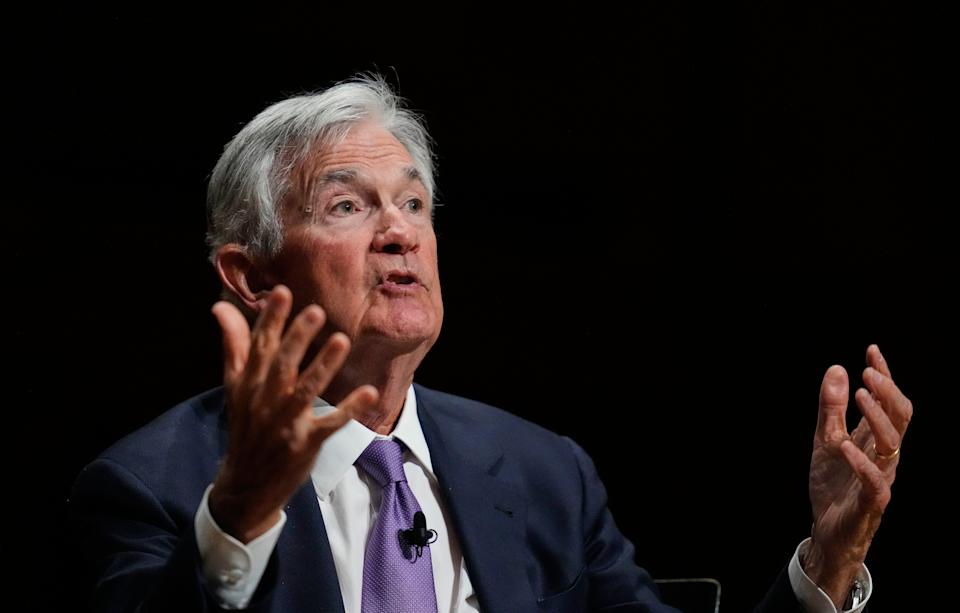 Federal Reserve Chair Jerome Powell gestures while addressing students
at Harvard University, Monday, March 30, 2026, in Cambridge, Mass. (AP
Photo/Charles Krupa)
Federal Reserve Chair Jerome Powell gestures while addressing students
at Harvard University, Monday, March 30, 2026, in Cambridge, Mass. (AP
Photo/Charles Krupa)
Every military conflict has a battlefield of public opinion. In the Iran war, that contest is seen clearly through President Trump's market-moving social media posts and interviews, which often shift the scope and timeline of the campaign. At the same time, Iranian officials contradict that timeline in a social media battle of their own.
The Fed famously tries to stay out of politics. But whether Americans actually believe the war is wrapping up or is just getting started is now at the core of the Fed's inflation challenge.
And it's another reason why public sentiment matters.
Hamza Shaban is a reporter for Yahoo Finance covering markets and the economy. Follow Hamza on X @hshaban.
This week top market trends.
-
Mideast Shipping Crisis Widens With More Tankers Hit in Gulf
2026-03-12 :: watchlist :: bloomberg -
What to Expect in Markets This Week: GameStop Earnings, Consumer Sentiment, Import Price Index, Jobless Claims
2026-03-23 :: stock :: investopedia -
Rocket Pharma shares climb as FDA approves first therapy for deadly childhood disorder
2026-03-27 :: stock :: reuters