Link copied
A $300,000 Portfolio That Pays More Than the Average Social Security Check.
investing ideas :: 10hrs ago :: source - 24/7 wallstreet
By Drew Wood
Quick Read
Ares Capital (ARCC) yields 10.6% and generates $31,800 annually on $300,000, exceeding the $22,884 Social Security benchmark, but its portfolio weighted average yield has compressed from 11.1% to 10.3% and the company posted $155M in net realized losses in Q4 2025. Altria (MO) yields 6.2% producing $18,690 annually and has raised its dividend 60 times over 56 years, while Energy Transfer (ET) yields 6.9% generating $20,820 annually and increased quarterly distributions from $0.32 in early 2024 to $0.34 in early 2026, though both fall short of the Social Security target on a $300,000 portfolio.
High-yield income strategies that clear the Social Security target require accepting principal erosion risk and static or declining real purchasing power, making dividend growth trajectory and total return over 10 years more critical than current yield alone.
Read: I Review Investing Platforms For A Living, And SoFi Crypto Finally Changed My Mind
The average Social Security retirement check runs about $1,907 a month, or roughly $22,884 a year. For a retiree with $300,000 in investable assets, the question is concrete: can a portfolio that size generate more than Social Security pays without touching principal? The answer depends almost entirely on what yield you accept and what you give up to get it.
Why $300,000 Needs to Yield at Least 8% to Beat Social Security
At a 3.5% yield, $300,000 produces $10,500 a year. At 6%, it generates $18,000 a year. To beat the average Social Security income of roughly $22,884, a $300,000 portfolio needs to yield at least 8%. This reframes the entire conversation: this is an aggressive-yield problem, not a conservative one.
From Blue-Chip Dividends to BDCs: What Each Yield Tier Actually Pays
Conservative (3% to 4% yield): Broad dividend growth funds and blue-chip equity income strategies live here. At 3.5%, $300,000 produces $10,500 a year. The portfolio is diversified, dividends tend to grow over time, and principal is likely to appreciate. The problem is that this tier produces less than half the Social Security target.
Read: I Review Investing Platforms for a Living, And SoFi Crypto Finally Changed My Mind
I’ve spent years reviewing investing platforms across stocks, options, ETFs, and now crypto. Most crypto platforms fall into one of two categories: fast-moving exchanges with regulatory uncertainty, or traditional financial firms that treat crypto like an afterthought. SoFi Crypto is one of the very few platforms that breaks that mold.
Moderate (5% to 7% yield): This range includes high-dividend equities, preferred shares, and midstream energy partnerships. Altria Group (NYSE:MO) currently yields roughly 6.2%, producing about $18,690 a year on $300,000. Energy Transfer LP (NYSE:ET) yields approximately 6.9%, generating around $20,820 annually. British American Tobacco (NYSE:BTI) yields roughly 5.7%, producing about $17,010 a year.
All three fall short of the Social Security target on a $300,000 portfolio. Altria has raised its dividend 60 times over 56 years, and Energy Transfer has grown its quarterly distribution from $0.32 in early 2024 to $0.34 in early 2026. The income is real and growing, but the math does not clear the bar. Energy Transfer, as an MLP, issues a K-1 tax form, adding complexity at filing time. BTI is an ADR, and foreign dividend withholding may reduce net yield below the stated rate.
Aggressive (8% to 14% yield): At 8%, $300,000 generates $24,000 a year, clearing the Social Security target by about $1,100. At 10%, the same portfolio produces $30,000 a year. Business development companies, mortgage REITs, and leveraged covered call funds operate in this range. Ares Capital Corporation (NASDAQ:ARCC) currently yields approximately 10.6%, paying $0.48 per share quarterly, a rate it has maintained for 13 consecutive quarters. On $300,000, that yield produces roughly $31,800 annually, well above the Social Security benchmark.
The tradeoff is structural. Ares Capital's portfolio weighted average yield has compressed from 11.1% to 10.3% year over year, and the company recorded $155 million in net realized losses in Q4 2025. The 10-year Treasury sits at around 4.3%, meaning aggressive-yield instruments must justify a roughly 6-percentage-point premium over risk-free bonds. Principal can erode quietly while income checks keep arriving.
A Static 10% Yield Loses Ground to Inflation Every Year
A portfolio whose dividends grow 6% annually doubles its income in roughly 12 years without adding capital. A 10% yield with no growth stays flat in nominal terms and loses purchasing power to inflation. Core PCE inflation has been running at elevated levels, with the index rising from 125.5 in April 2025 to 128.9 by February 2026. A static $24,000 payout buys less each year.
Altria has grown its dividend every year for decades. Energy Transfer has increased its distribution every quarter since early 2023. Those trajectories matter more than the current yield when the holding period is 10 or 20 years.
Tax Treatment, Spending Needs, and Total Return: What to Model First
Calculate your actual spending need. Many retirees need to replace 70% to 80% of pre-retirement income, not 100%. If your real annual need is $18,000 rather than $22,884, the moderate tier on $300,000 already clears the bar. Know your number before reaching for yield.
Model the tax impact of each tier. MLP distributions like Energy Transfer come on a K-1 and receive different tax treatment than qualified dividends. ADR dividends from British American Tobacco may be subject to foreign withholding. BDC income from Ares Capital is often taxed as ordinary income. Pre-tax yield and after-tax yield are different numbers.
Compare 10-year total return, not just current yield. Ares Capital's shares are down roughly 8.6% year to date while Altria is up nearly 19% over the same period. A high yield with principal erosion may produce less total wealth than a moderate yield attached to an appreciating asset. Run both scenarios before committing capital.
The analyst who called NVIDIA in 2010 just named his top 10 AI stocks
Wall Street is pouring billions into AI, but most investors are buying the wrong stocks. The analyst who first identified NVIDIA as a buy back in 2010 — before its 28,000% run — has just pinpointed 10 new AI companies he believes could deliver outsized returns from here. One dominates a $100 billion equipment market. Another is solving the single biggest bottleneck holding back AI data centers. A third is a pure-play on an optical networking market set to quadruple. Most investors haven't heard of half these names. Get the free list of all 10 stocks here.
This week top market trends.
-
Gold heads for biggest monthly drop in more than 17 years
2026-03-31 :: commodities :: reuters -
Boeing lands another huge military deal
2026-04-09 :: deals & business :: thestreet -
ASML shares fall on US Congress plan to further restrict China exports
2026-04-07 :: stock :: reuters
Recent global market news
-

Americans are uniquely vulnerable to Iran war volatility after years of buying stocks
2026-04-07 :: :: yahoo finance -
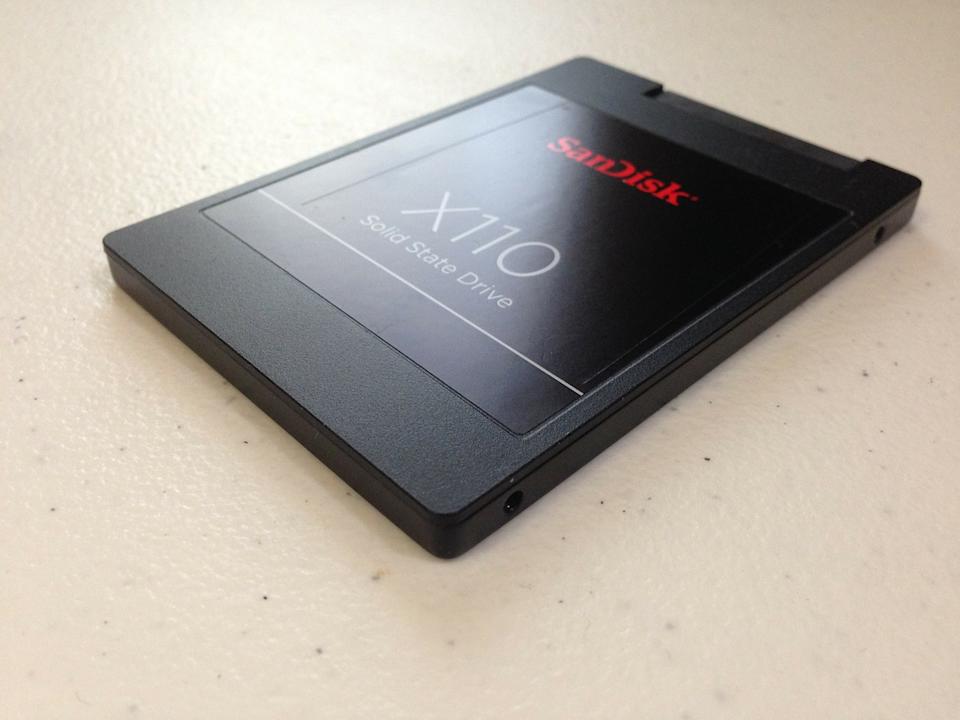
Jim Cramer on Sandisk: ''I Always Tell You This Is Inherently a Boom and Bust Industry''
2026-04-06 :: :: insider monkey