Link copied
Iran, US Trade Accusations of Violating Ceasefire After Strikes.
general :: 6hrs ago :: source - bloomberg
By Arsalan Shahla
(Bloomberg) -- Tehran and Washington traded accusations that the other had violated the ceasefire after Iran claimed on Saturday that it had targeted US sites in the Persian Gulf after American aircraft hit Iranian weapons sites on Friday.
Most Read from Bloomberg
Lutnick Delayed Canada Bridge Debut to Seek Bigger Cut of Toll Revenue
Oman Tells Allies Ships Going Through Hormuz May Have to Pay
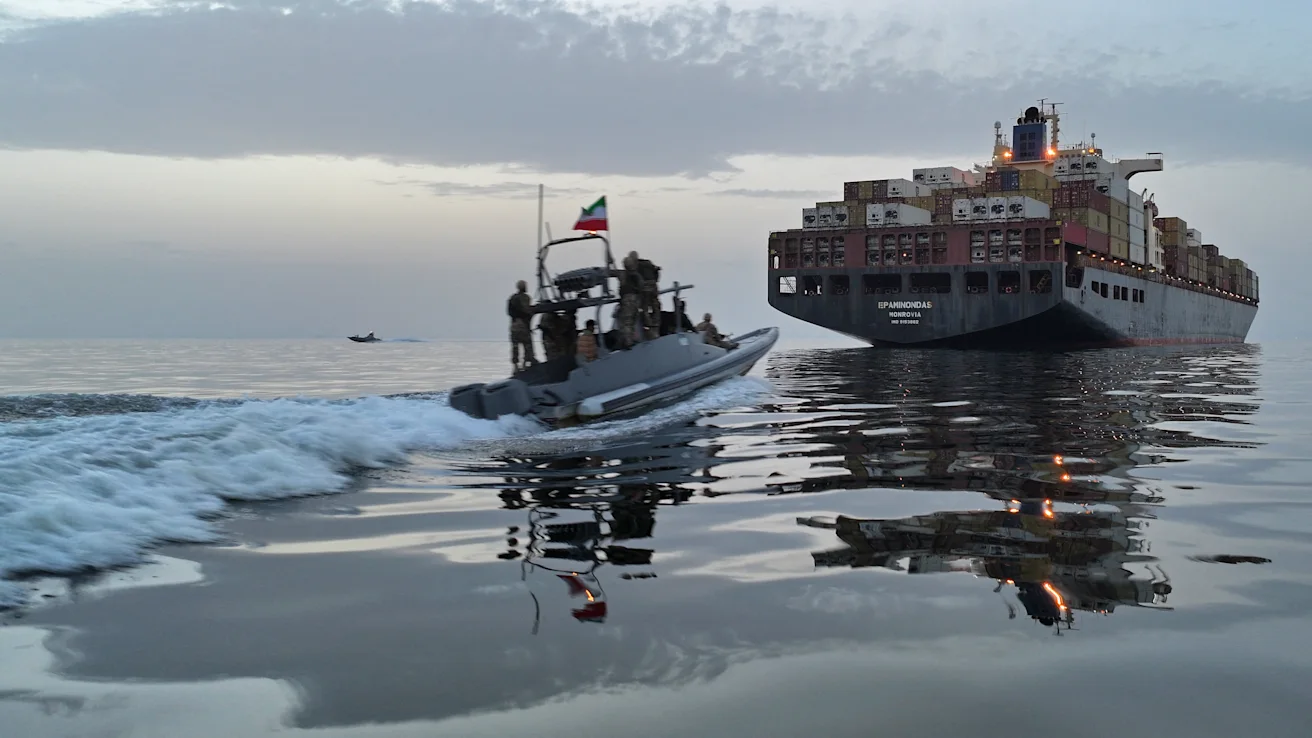
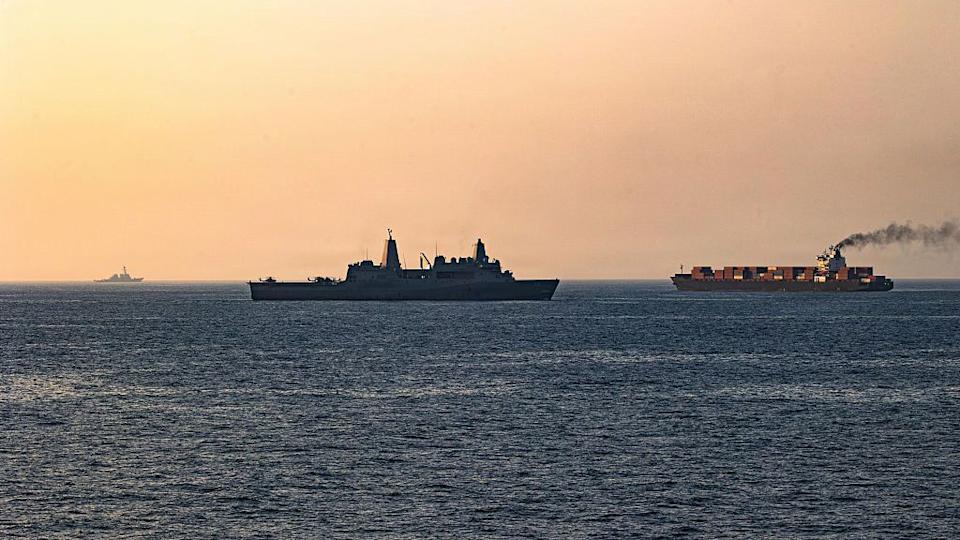
The US strikes — on missile storage and coastal radar installations — were in response to an Iranian drone attack on a Singapore-flagged container ship in the Strait of Hormuz on Thursday. The back-and-forth threatens to unravel the fragile detente that had largely ended fighting in the Middle East, though an unnamed US official told CNN after the US strikes that they didn't constitute a return to major combat operations for now.
Iran's foreign ministry in a statement on Saturday called the US attack "an explicit violation of the first paragraph of the Memorandum of Understanding" the two countries signed earlier this month. The Islamic Revolutionary Guard Corps claimed that it had struck US sites in response, though it wasn't clear which and Iran has previously claimed retaliatory attacks that remain unconfirmed. US Central Command did not respond to a request for comment on the Iranian claims.
US Vice President JD Vance said that the US had "honored" the deal.
"If they have disagreements about how the MOU is being applied, they can pick up the phone," he said on X on Friday. "But violence will be met with violence."
Even as the broader US-Iran deal suffered a setback, there was some progress on a key sticking point — Israel's invasion of Lebanon and fight with Tehran-backed Hezbollah, which has killed thousands. On Friday, the two countries and the US signed an initial agreement aimed at paving the way for ending the conflict and ultimately reaching a peace settlement.
Since signing a 60-day truce last week, US President Donald Trump has said that he would resume military action against Iran if it violates the agreement's terms, which provide for the flow of vessels through the vital strait and talks over its nuclear program in exchange for sanctions relief.
Now, the question is how much the resumption of strikes will slow progress toward restoring shipping traffic in the energy thoroughfare to pre-war levels. Washington and Tehran were able to agree to an interim peace deal last week despite trading strikes in the lead-up to that document being finalized.
Yet the two sides continue to clash over key provisions of the deal, including whether Iran will impose tolls or other monetary costs on ships seeking to sail through Hormuz. Oman told European officials that vessels may ultimately have to be charged some fees, Bloomberg reported earlier.
Trump's decision to attack demonstrates that he's willing to use military force to maintain freedom of navigation in the strait. But Iran's attack also shows that it's seeking to maintain control of the waterway, which it largely shut after the war began on Feb. 28, becoming its greatest point of leverage with the US as it roiled the global economy.
The drone attack rattled the fragile confidence of shipowners and crews, though multiple ships continued to transit Hormuz using routes near the coasts of Iran and Oman on Saturday morning, vessel-tracking data show. Tehran has repeatedly said that ships can't pass Hormuz without its permission, and a handful of tankers turned around early on Thursday after reportedly getting warnings from the Iranian Navy.
Central Command said in its statement Friday that it would "continue to provide safe passage coordination and support to commercial vessels transiting the strait."
--With assistance from Hadriana Lowenkron, Skylar Woodhouse and Alex Longley.
Most Read from Bloomberg Businessweek
This week top market trends.
-
Big Tech's $2.7 trillion AI bill comes due: Chart of the Day
2026-06-24 :: general :: yahoo finance -
BIS says debt, AI boom and fragilities raise global risks
2026-06-28 :: general :: reuters -
Investor Who Scored 900% Win in 2008 Crisis Has New Big Short Bet
2026-06-24 :: stock :: bloomberg
Recent global market news
-
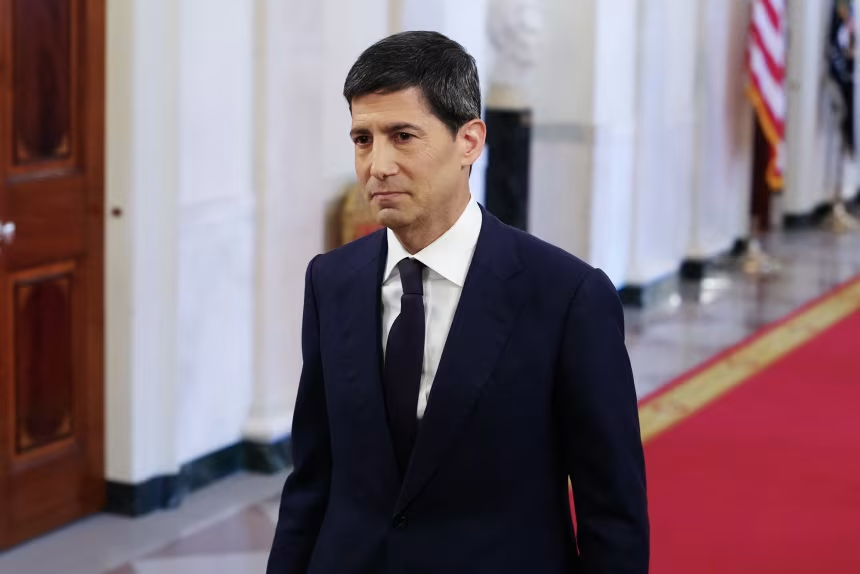
Kevin Warsh’s first meeting as Fed chairman could reveal a new vision for the central bank
2026-06-17 :: :: cnn business -
AI companies stabilize after rout and oil continues slide as Trump threatens major drillers
2026-06-24 :: :: apnews