By Helen Clark and Sam Li
(Reuters)
- Oil prices were little changed on Friday before a long holiday
weekend in the U.S., as traders held on to hopes that attempts to
secure peace in the Middle East between the United States and Iran would succeed.
Brent
futures climbed 7 cents, or 0.1%, to $71.87 a barrel as of 0737 GMT.
West Texas Intermediate was down 6 cents, or 0.09%, to $68.63 a barrel.
U.S. markets will be closed on Friday ahead of the U.S. Independence Day holiday on Saturday.
During the prior session the two benchmarks hit their lowest levels
since before the U.S.-Israeli war on Iran began in late February. Brent
for the week was down 0.16% and WTI down 0.87%, the smallest weekly
movements for both in months.
“It's
a case of guarded optimism, with the market wanting to believe the
peace efforts will hold, but it’s still hedging its bets until it sees
real evidence on the water,” said Tim Waterer, chief market analyst at
KCM Trade.
SOME SHIPPING RESUMES THROUGH THE STRAIT
Some
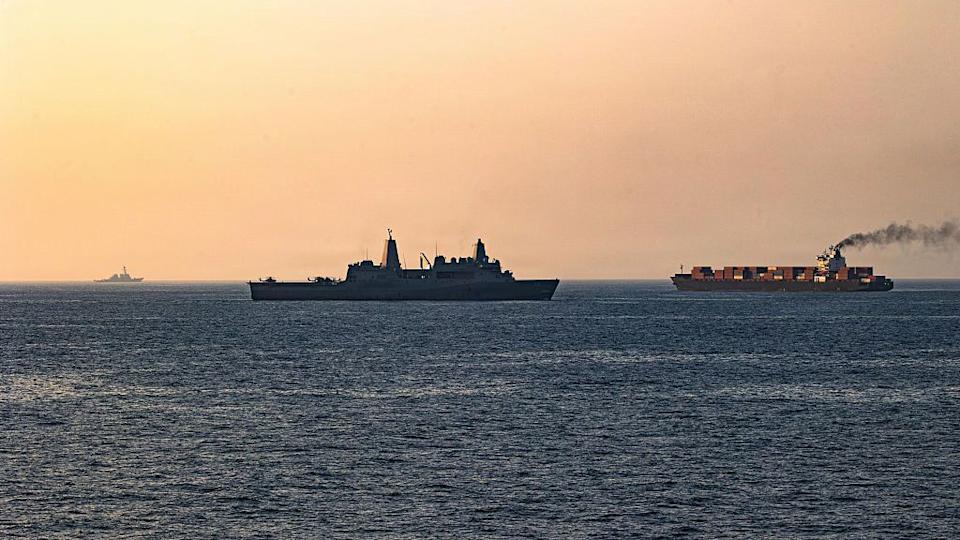
shipping has resumed through the Strait of Hormuz, as called for under
the initial deal between Iran and the United States, but levels of
uncertainty are high after the two countries exchanged strikes last
weekend following an Iranian attack on a cargo ship.
With the prospect of being able to ship more oil, Gulf producers are working to increase output.
Kuwait's oil production rose sharply to 1.65 million barrels per day in June from 580,000 bpd in May, a source familiar with the matter told Reuters on Thursday.
At least five supertankers carrying a total of 10 million barrels of Saudi oil have exited the Strait of Hormuz and Saudi Aramco (2222.SE) has switched to spot pricing from longer-term contracts to speed sales in Asia, according to trade sources and shipping data.
As
the availability of supplies grows, the market structure has turned
from backwardation to contango, reflecting decreasing expectation of
future shortages.
The
spread between front-month Brent and one-month forward turned negative
on June 24, while the six-month spread turned negative on Thursday.
"The
return of this supply coincides with continued SPR releases," ING
analysts said in a note on Friday, referring to the U.S. Strategic
Petroleum Reserve.
The cheaper near-term supplies could encourages buyers, they added, which could support prices.
Reporting by Sam Li in Beijing and Helen Clark in Perth; Editing by Tom Hogue, Florence Tan and Barbara Lewis
This week on Reuters