Link copied
AMD expected to launch next generation of AI infrastructure to challenge Nvidia.
companies :: 4hrs ago :: source - reuters
By Max A. Cherney and Stephen Nellis
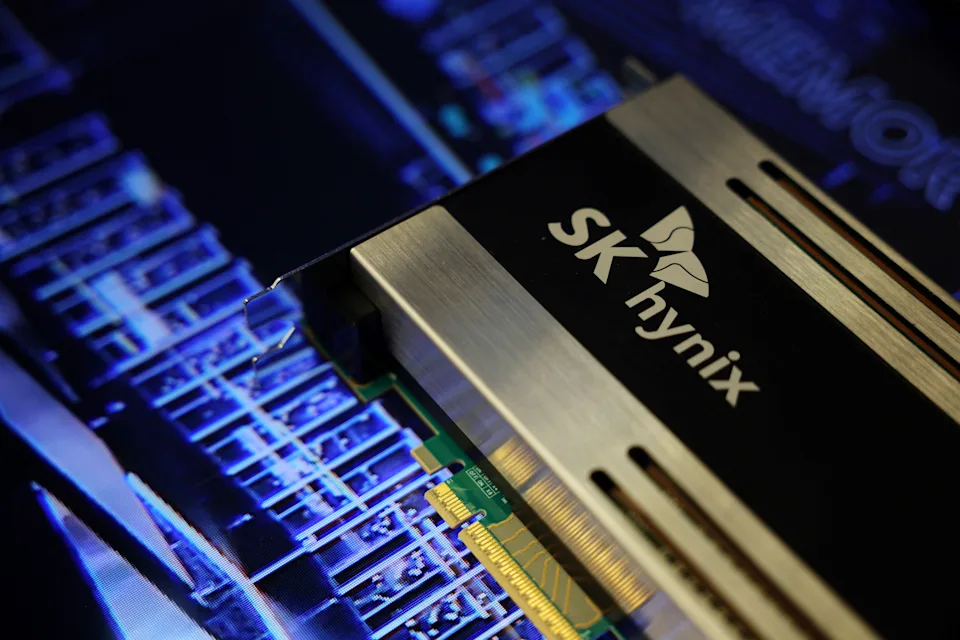
(Reuters) - Advanced Micro Devices is set to launch a raft of AI hardware that will rival Nvidia on Thursday at an event at a downtown convention center in San Francisco.
AMD is attempting to capture market share from Nvidia in the fast-growing data center chip sector, especially for so-called inference computing, which is the data crunching that occurs when a user queries a chatbot such as OpenAI's ChatGPT.
AMD is expected to show off the company's data center hardware that includes its first-generation server racks called Helios, which it is marketing as a rival to a similar design from Nvidia, which is rolling out its second-generation product this year.
The company also is expected to formally launch its Venice central processing unit (CPU) for data centers.
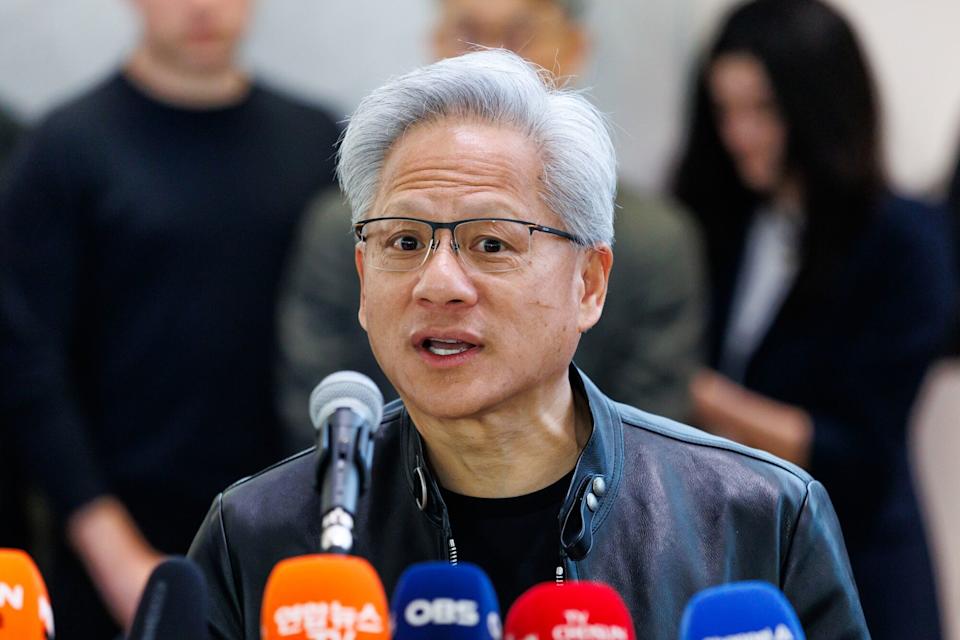
This week, Nvidia released a spate of technical details about its Vera CPU, which aimed to show that the chip, when combined with Nvidia's "Rubin" graphics processing unit (GPU), will do the best job at maximizing how much work AI agents can do with a given amount of electricity.
At the Moscone West convention center on Wednesday, hundreds of executives and engineers gathered to take in technical presentations and mingle on a showroom floor, according to a Reuters witness.
AMD displayed the Helios data center rack amid booths from cloud computing providers such as Vultr and TensorWave. Both cloud providers operate data centers with AMD hardware.
On Wednesday, AMD announced plans to sell up to two gigawatts of its Instinct MI450 chips to AI lab Anthropic beginning in the first half of 2027. The deal also includes an investment of as much as $5 billion in the Claude maker.
In October, AMD announced a multiyear deal with OpenAI that would also bring in tens of billions of dollars in annual revenue while giving the ChatGPT creator the option to buy up to roughly 10% of the chipmaker.
(Reporting by Max A. Cherney and Stephen Nellis in San Francisco; Editing by Matthew Lewis)
This week on Reuters
This week top market trends.
-
Nikkei slides into correction zone on tech selloff, Middle East conflict
2026-07-17 :: stock :: reuters -
The $3.3 trillion chip sell-off is nearing a bear market
2026-07-17 :: stock :: yahoo finance -
German Bond Yields Hit 15-Year High as Oil Spikes Before ECB
2026-07-23 :: treasuries & bonds :: bloomberg
Recent global market news
-
Mortgage rates edge higher as US-Iran ceasefire falls apart: Mortgage and refinance interest rates today
2026-07-10 :: :: yahoo finance -
A violent AI unwind is hiding beneath a resilient stock market: Chart of the Day
1day ago :: :: yahoo finance