Link copied
Why markets might be having a change of heart about the Iran war.
stock :: 11hrs ago :: source - yahoo finance
By Hamza Shaban
This is The Takeaway from today's Morning Brief, which you can sign up to receive in your inbox every morning along with:
What we're watching
What we're reading
Economic data releases and earnings
The war in Iran started over the weekend, but it wasn't until Tuesday that the markets began to register the disruptions ahead.
Oil (BZ=F) and gas prices rose, stocks fell multiple percentage points, and Treasury yields climbed as traders contemplated the inflationary impact of an escalating war in Iran.
Read more: What an extended war with Iran could mean for gas prices
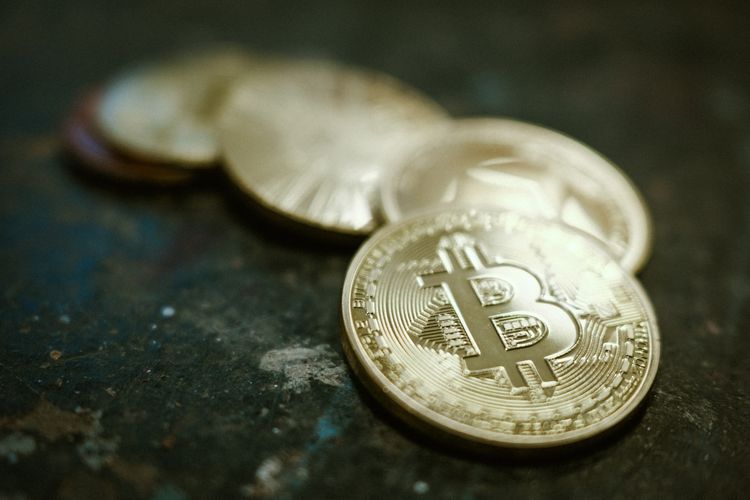
I'd mention bitcoin, but boy, the crypto-heads have been real quiet during this period of global instability.
If it was contrarian and a little clever earlier this week to downplay the potential impacts of an American military campaign against Iran, that dynamic has now flipped, and is starting to flop again.
The president and top US officials have indicated the military is preparing for a widening conflict that might last weeks. And market consensus is rapidly catching up. Shrugging off geopolitical uncertainty, as Wall Street had done with conflicts past, isn't the right model anymore, the markets are suggesting. The goal now is to reprice the Iran risk, with a much heavier hand.
That was the calculus until Tuesday afternoon, when the S&P 500 (^GSPC) had shed around 2.4%. After that reflexive tightening, the rest of the afternoon, just like the day before, saw losses pared back. The S&P 500 only closed 0.9% down.
While the level of severity continues to be repriced on an hourly basis, the verdict is coming in: This is not something to be waved away. And for good reason.
The ever-present risk of a system-wide energy shock
“The confrontation is unfolding adjacent to the world’s most strategically important energy corridor: the Strait of Hormuz," said EY-Parthenon chief economist Gregory Daco in a note on Tuesday. "Any threat to vessel safety in the Strait of Hormuz immediately raises the risk of a system-wide energy shock.”
The negative turn in markets is reflected in and amplified by increasingly dire coverage of the military actions in the Middle East and the widening scope of the conflict. Highlighting Iran's capacity to retaliate against neighboring states over a wide geography, the State Department has urged Americans to leave 14 countries in the region.
Disruption multiplied by time
The impact of a system-wide shock can be represented by a simple equation: shock x time.
How severe is the shock, and for how long, remains fraught, with differing expectations over the potential duration of the war in Iran.
Signum Global, for instance, is sticking by its contention that President Trump can achieve his main military objectives in around a week. Other analysts are offering multiple scenarios gaming out a short-lived escalation versus a protracted conflict, with more worrying numbers attached to the longer timelines.
It's hard to weigh the likelihood of scenarios when events on the ground and remarks from officials offer contradictory information.
In response to the American and Israeli bombing, Tehran targeted oil infrastructure and other targets across the region. At least nine countries reported hits. Meanwhile, President Trump said Tuesday "just about everything’s been knocked out” in Iran, adding that air detection and radar have been destroyed after the US strikes.
On Tuesday, the International Monetary Fund warned the war could worsen the global economic outlook if drawn-out fighting causes energy prices to spike.
"Military actions cause a short-term disruption in markets, but as long as the economic damage is limited, they fully recover once there is more clarity in the scope of the intervention," said Chris Zaccarelli, chief investment officer for Northlight Asset Management, on Tuesday.
But clarity is hard to come by, especially in the first days of a military campaign.
Hamza Shaban is a reporter for Yahoo Finance covering markets and the economy. Follow Hamza on X @hshaban.
This week top market trends.
-
Retirement investors go global
2026-02-15 :: personal finance :: yahoo finance -
Wall Street Hunts for Bottom as S&P Retests 'Rock Solid' Support
2026-02-18 :: stock :: bloomberg -
Alphabet 2026 spending forecast soars past Wall Street expectations as Google parent goes all in on AI
2026-02-05 :: companies :: yahoo finance -
Fed to hold rates through May, but Warsh may be too loose with policy, economists say: Reuters Poll
2026-02-11 :: general :: reuters -
Dollar Gains as Traders Question Pricing for Three Fed Rate Cuts
2026-02-17 :: foreign exchange :: bloomberg
Recent global market news
-

Warren Buffett Just Taught Us How to Manage Through a Bear Market. Here's the Lesson
2026-03-01 :: :: motley fool -

Coinbase USDC revenue may multiply 7x as payments grow, Bloomberg says
2026-02-25 :: :: cointelegraph