Link copied
Euro-Zone Inflation Jumps Most Since 2022 on Energy Costs.
general :: 9hrs ago :: source - bloomberg
By Mark Schroers

(Bloomberg) -- The euro area saw its steepest jump in inflation since 2022 as the Iran war pushed energy costs sharply higher, backing expectations that the European Central Bank will have to raise interest rates.
Consumer prices rose 2.5% from a year ago in March – up from 1.9% the previous month and the highest since January 2025. The reading is just below the 2.6% median estimate in a Bloomberg survey.
Core inflation, which excludes volatile items like food and energy, unexpectedly slowed to 2.3%, while the closely watched services gauge also eased, Eurostat said Tuesday.
German bonds held small gains, leaving 10-year yields one basis point lower at 3.02% and not far below the 15-year peak reached last week. Traders kept wagers on the ECB increasing rates two or three times this year, with the first move likely next month.
With the conflict in the Middle East now extending beyond a month, its effects are increasingly being felt in Europe, where not only inflation but expectations on where prices are headed are picking up markedly.
Governments and central banks in the region are also slashing their projections for economic growth, while firms are bracing for a hit to demand among their customers.
The ECB says it won’t to allow a repeat of the inflation spike that followed Russia’s invasion of Ukraine in 2022, vowing to act quickly and decisively as needed. But with no clarity on when the fighting will end, officials are still assessing the toll.
What Bloomberg Economics Says...
“The data suggest the ECB’s baseline scenario may have slightly overestimated the inflationary impact of the recent surge in commodity prices in March. That may provide the doves on the Governing Council another reason to keep interest rates unchanged in April.”
—Simona Delle Chiaie and David Powell. Click here for full REACT
Elevated oil and natural gas prices are already casting doubt on the ECB’s baseline outlook for inflation to average 2.6% this year. Under a more extreme outcome, price gains could peak at as high as 6.3% in 2027.
“Today we can say that the base-case scenario — for which assumptions were locked in on March 11 — can probably be considered to be the optimistic scenario,” Estonian central-bank chief Madis Muller said Tuesday in Tallinn. “We certainly can’t rule out changes in interest rates already in April if energy prices remain at a high level for a long time.”
Powerless to prevent the gyrations in energy markets, the ECB is instead focused on avoiding second-round effects including excessive increases in wages and selling prices. It’s also worried about knock-on effects to things like fertilizer and food prices that help shape households’ perceptions.
A survey published Monday showed consumers’ inflation expectations surged in March, while firms also anticipate marking up their prices sharply. Market-based indicators have also already reacted. Long-dated inflation swaps jumped in the early days of the war, before paring much of the move as traders started to price rate hikes.
Croatian central-bank chief Boris Vujcic said views of faster inflation were “what we have expected,” while his Italian counterpart Fabio Panetta said it’s “essential to monitor expectations closely and to prevent a wage-price spiral, while ensuring that monetary-policy action remains proportionate.”
Panetta’s homeland saw no uptick in inflation this month, with the reading unexpectedly coming in unchanged at 1.5%. French inflation quickened, but didn’t quite reach 2%. Germany and Spain, which reported numbers earlier, recorded more rapid price increases, of 2.8% and 3.3%.
Further accelerations are expected and will only add to pressure on the ECB.
“The longer the war in Iran lasts and the more destructive it becomes, the greater the risk of inflation will be,” Slovakia’s Peter Kazimir said. “Consequently, the sooner and more decisively we’ll have to respond.”
--With assistance from Alessandra Migliaccio, Daniel Hornak, Ott Tammik, Jana Randow, Jasmina Kuzmanovic, James Hirai, Giovanna Coi, Harumi Ichikura, Joel Rinneby and Barbara Sladkowska.
(Updates with Vujcic in 12th paragraph.)
Most Read From Bloomberg
This week top market trends.
-
Gold Falls as Stronger Dollar Offsets Middle East Risk Premium
2026-03-03 :: commodities :: bloomberg -
Iran’s Upper Hand in Hormuz Is Pressuring Oil Buyers and Trump
2026-03-16 :: general :: bloomberg -
Meta to allow AI rivals on WhatsApp in bid to stave off EU action
2026-03-05 :: companies :: reuters

Recent global market news
-
Oil climbs above $116 after Trump says he wants to 'take the oil' in Iran
1day ago :: :: cnn business -
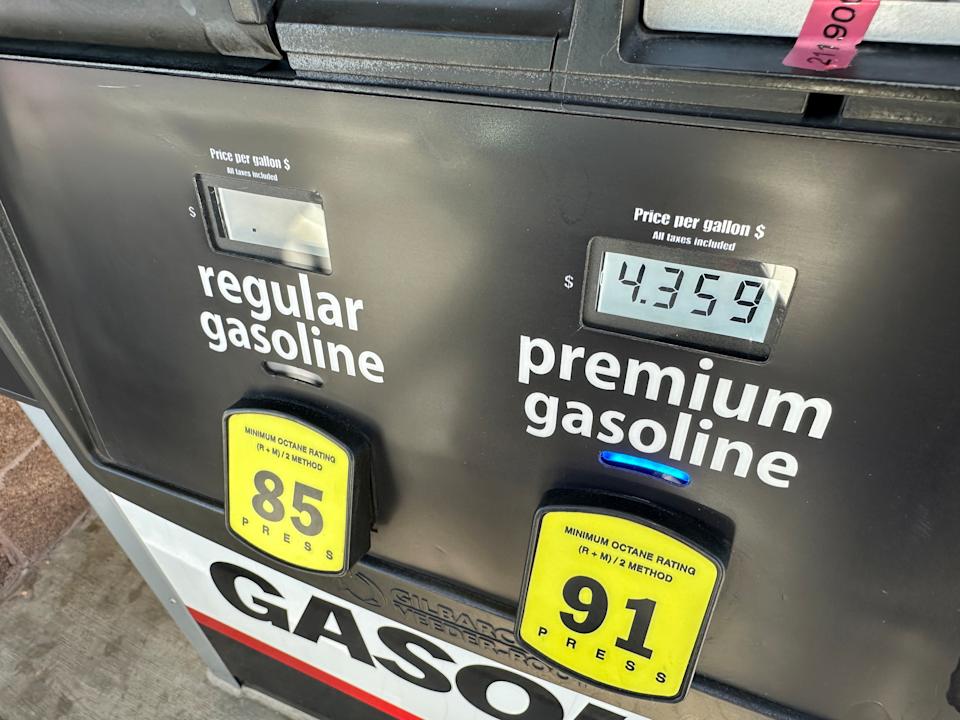
US gas prices top $4 a gallon for first time since 2022 as Iran war drags on
9hrs ago :: :: yahoo finance