By Danilo Masoni
(Reuters)
- World stocks edged lower on the first day of the third quarter on
Wednesday after a strong rally, as investors awaited remarks from Fed
Chair Kevin Warsh, while softer euro zone inflation cooled bets on further interest rate hikes.
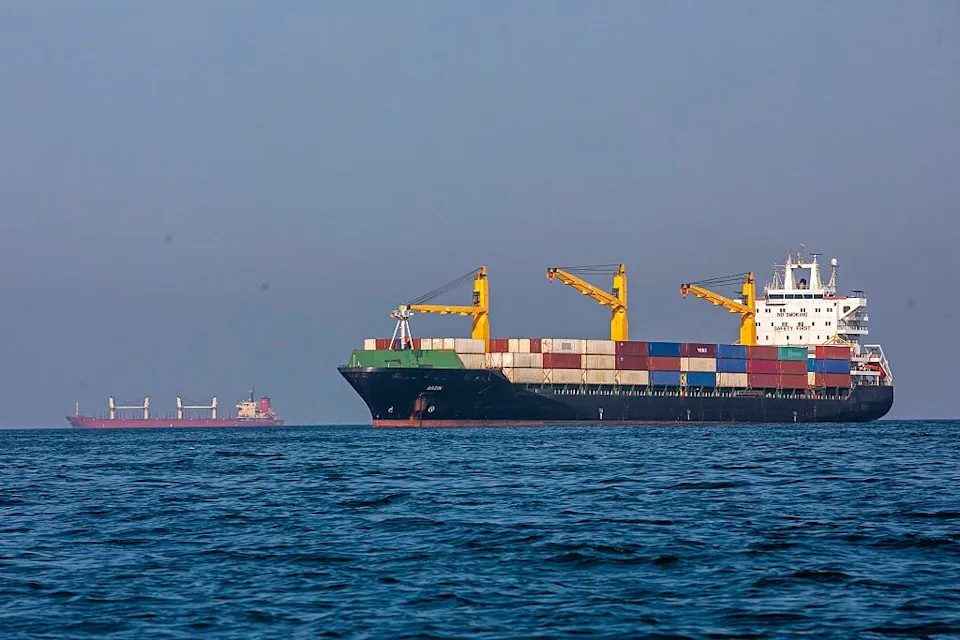
Oil prices stayed near pre-war levels as investors weighed signs that contacts between Iran and Washington aimed at reaching a final deal to end their conflict were continuing.
Traders also watched for possible Japanese intervention after the yen hit fresh 40-year lows against the dollar.
The MSCI World Price Index (.MIWO00000PUS) slipped
0.1% in European afternoon trade after posting its strongest quarter in
around six years, up 13% on rallying chipmakers and tech stocks.
U.S. futures and European shares declined slightly.
"Iran
is no longer a problem. There is no peace, but there is no war
either," said Carlo Franchini, head of institutional clients at Banca
Ifigest, saying he viewed another European Central Bank interest rate
hike later this month as unlikely.
Data
backed that view. Euro zone inflation eased more than expected in June,
further reducing pressure on the ECB to raise rates again after last
month's first hike in nearly three years.
Inflation
in the bloc slowed to 2.8% in June from 3.2% in May, coming well below
expectations for a 3.0% reading, as food, energy and services price
pressures all eased.
Traders
marginally pared bets on further tightening after the figures and were
pricing in around 23 basis points of additional ECB rate increases by
year-end.
Europe's region-wide STOXX 600 (.STOXX) was down 0.3% at 1120 GMT, steadying after a 10% quarterly rise that marked its strongest performance since late 2020, with sentiment towards the region helped in recent weeks by falling energy prices.
"The second quarter GDP data isn't going to be great. But clearly
prospects of the Strait of Hormuz (opening) and lower oil prices is a
major positive factor for Europe," said Kevin Thozet, member of the
investment committee at Carmignac.
AWAITING WARSH
Investors
will be keen to hear what Warsh says when he appears at the ECB's
annual central banking forum in Portugal for clues on the outlook for
U.S. interest rates, ahead of Thursday's key U.S. jobs data.
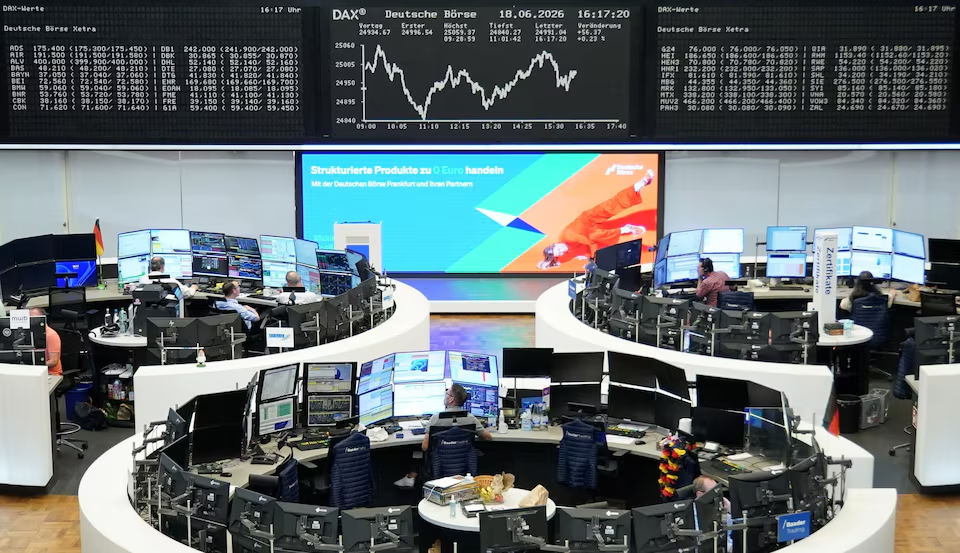 The German share price index DAX graph is pictured at the stock exchange in Frankfurt, Germany, June 18, 2026. REUTERS/staff
Warsh has long been against the Fed providing forward guidance and may give little away on his policy intentions.
Lauren
van Biljon, a senior portfolio manager at Allspring Global
Investments, said underlying inflation trends suggested the Fed may not
need to tighten policy further.
"If
the energy price shock starts to roll off in the month-on-month
inflation numbers, and our U.S. analysts are still pretty confident that
shelter and rent are disinflationary factors through to the end of this
year, it looks like the Fed will be on hold," she said.
Futures
imply a 33% chance of a Fed rate hike at its meeting later this month,
while the probability of a September move is priced at 67% to 88%.
The
benchmark 10-year Treasury yield rose 4.9 basis points (bps) to
4.471%, while S&P 500 and Nasdaq futures declined 0.1-0.3%.
Markets
paused after Wall Street posted its strongest quarter since 2020,
driven by an 88% surge in the Philadelphia Semiconductor Index (.SOX).
With
earnings season starting in mid-July, investors are banking on strong
tech results to justify lofty valuations and continued inflows into the
sector.
Goldman
Sachs said the consensus is for earnings per share to grow 22% from a
year earlier, with AI infrastructure stocks accounting for nearly 60% of
that increase.
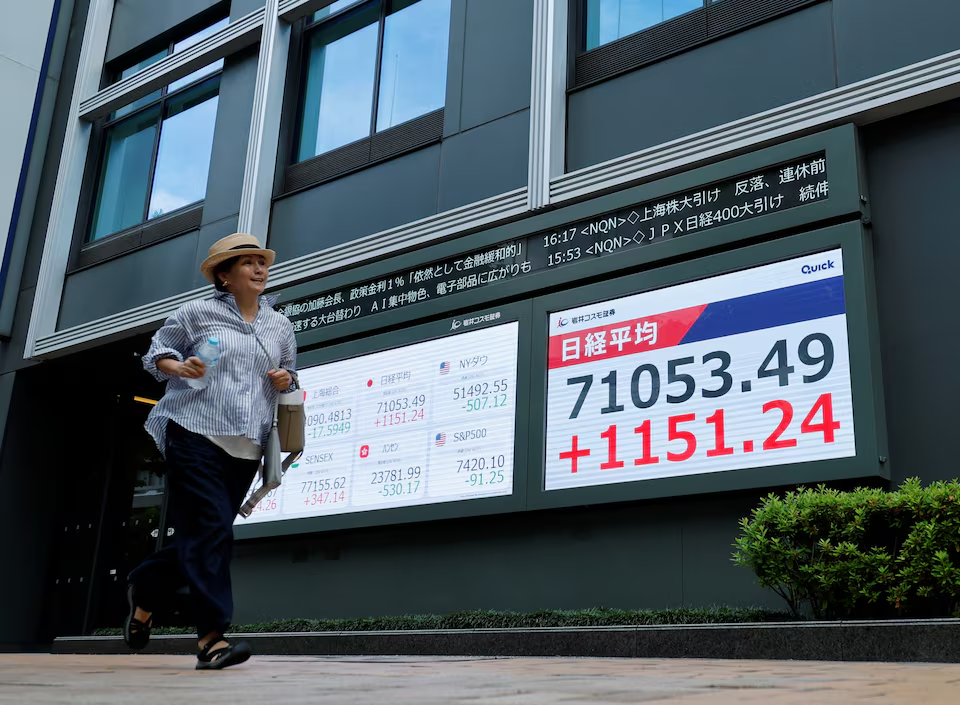
In Asia, Japan's Nikkei (.N225) gained 0.6% after surging 37% last quarter, with strong tech demand
lifting sentiment among big manufacturers to an eight-year high.
South Korea's main index (.KS11) fell about 2%, following a 68% quarterly rally driven by AI-fuelled chip demand.
The
rise in U.S. yields helped lift the dollar as high as 162.84 yen, a new
four-decade high. The climb has drawn threats of intervention from
Tokyo, though authorities appear reluctant to act, having spent almost
12 trillion yen ($74 billion) through April and May to little lasting
effect.
The euro was down 0.2% at $1.1394.
Germany's
10-year bond yield , the euro zone benchmark, rose 2 basis points to
2.931%, while its two-year bond yield , more sensitive to rate
expectations, was unchanged at 2.532% after the inflation data.
Brent
crude was down around 1% at $72.27 a barrel, reversing earlier gains,
while gold was steady, trading slightly above $4,000 an ounce after a
difficult quarter.
Reporting
by Danilo Masoni in Milan and Wayne Cole in Sydney; additional
reporting by Dhara Ranasinghe in London; Editing by Mark Potter and Hugh
Lawson
This week on Reuters