Link copied
US 30-year yield hits 2007 high, stocks attempt post-earnings recovery.
treasuries & bonds :: 2hrs ago :: source - reuters
By Niket Nishant and Ankur Banerjee
(Reuters) - The U.S. government's long-term borrowing costs hit their highest since 2007 on Thursday, while global shares attempted to rebound after Microsoft earnings eased some AI worries.
The 30-year Treasury bond yield hit a 19-year high of 5.244%, jumping above 5.2% in New York trading, the day before after the Federal Reserve kept interest rates on hold even as Chair Kevin Warsh offered mixed messages on monetary policy and inflation outlook.
Traders struggled to gauge the Fed's next move - a challenge compounded by Warsh's retreat from offering forward guidance.
Markets are at a delicate juncture, with steep declines in the shares of some of the biggest winners of the AI boom spooking investors. South Korea's KOSPI fell 1.23% to end its third consecutive day in the red.
"We don't think the AI story is over by any means, but clearly there's scope for bumps along the way," said Sanjiv Tumkur, head of equity research at Rathbones.
Earnings from Microsoft and Meta reinforced the view that investors were looking for signs that the costly AI buildout is starting to pay off.
Microsoft shares rose 9.02% in premarket trading after the tech major said it expects to keep generating cash through fiscal 2027. But Meta tumbled 8.34% following earnings that reflected the strain of its costly AI bets.
Microsoft had hit "the jet stream while Meta is still building the runway", Jefferies analysts wrote.
Futures tracking the tech-heavy Nasdaq 100 rose 1.28%, while S&P 500 and Dow futures gained 0.59% and 0.36%, respectively.
Europe's STOXX 600 benchmark rose 0.58%. The MSCI All Country World Price index inched 0.22% higher after two sessions of losses.
GREY SKIES AHEAD
The make-or-break week for markets has been complicated by renewed Middle East tensions, making it harder for investors to gauge the inflationary implications of rising oil prices.
A drop in Brent crude last month helped keep June inflation contained, but oil prices have risen since then to above $90 a barrel. [O/R]
Three Fed policymakers dissented in favour of a rate hike on Wednesday, prompting some analysts to question if Warsh's "good family fight" may become more difficult to navigate should inflation pressures linger.
"As the Fed heads into the second half of the year... we expect (it) will be faced with the reality of inflation as a persistent issue," strategists at RBC Economics wrote.
The rate hold could buy the central bank time until its next meeting in September, allowing it to parse through two more inflation reports. But the odds of a hike at that meeting have jumped to 63.2% from 57.3% a week ago, according to the CME FedWatch tool.
Meanwhile, questions persist about the degree to which any hikes may be useful. "It is folly to hike rates in the face of a supply-shock bout of inflation," said Annex Wealth Management chief economic strategist Brian Jacobsen.

Rate hikes typically cool demand-driven price pressures, but the main inflation threat is rooted in the prospect of constrained oil supplies if disruption in the Strait of Hormuz continues.
The strait is a crucial shipping route for global oil flows. The alternative route through the Bab el-Mandeb Strait has also come under attack from the Iranian-backed Houthis, further worsening the outlook.
(Reporting by Niket Nishant in Bengaluru and Ankur Banerjee and Rae Wee in Singapore; Editing by Amanda Cooper, Mrigank Dhaniwala and Arun Koyyur)
This week on Reuters
This week top market trends.
-
Samsung reports record profit as South Korean chip giants benefit from global AI boom
2026-07-30 :: companies :: apnews -
US dollar drops against yen as focus shifts to inflation data
2026-07-30 :: foreign exchange :: reuters -
Boeing beat Q2 estimates as jet deliveries climb, cash turns positive
2026-07-28 :: companies :: yahoo finance
Recent global market news
-
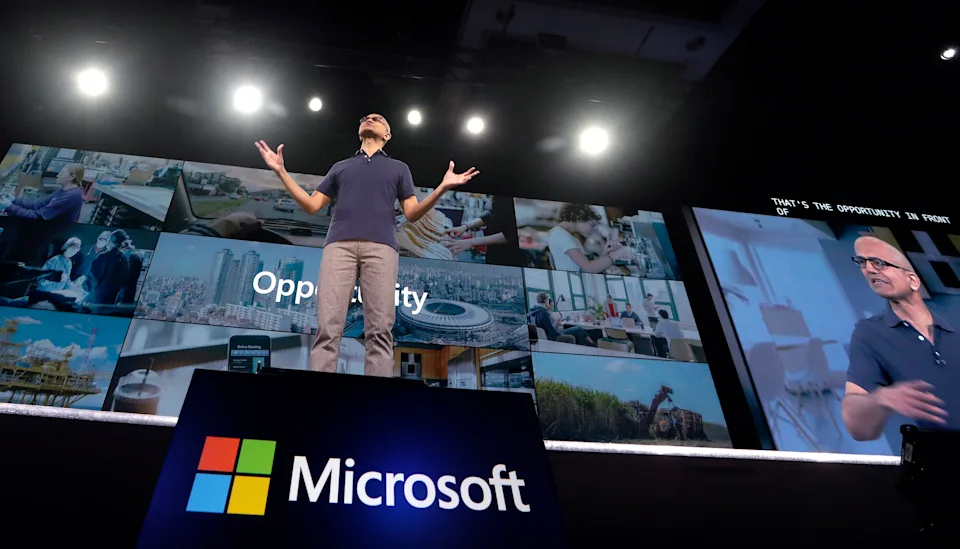
4 Big Tech earnings reports, a Fed meeting, and $100 oil: It's the busiest week of the quarter
2026-07-27 :: :: yahoo finance -
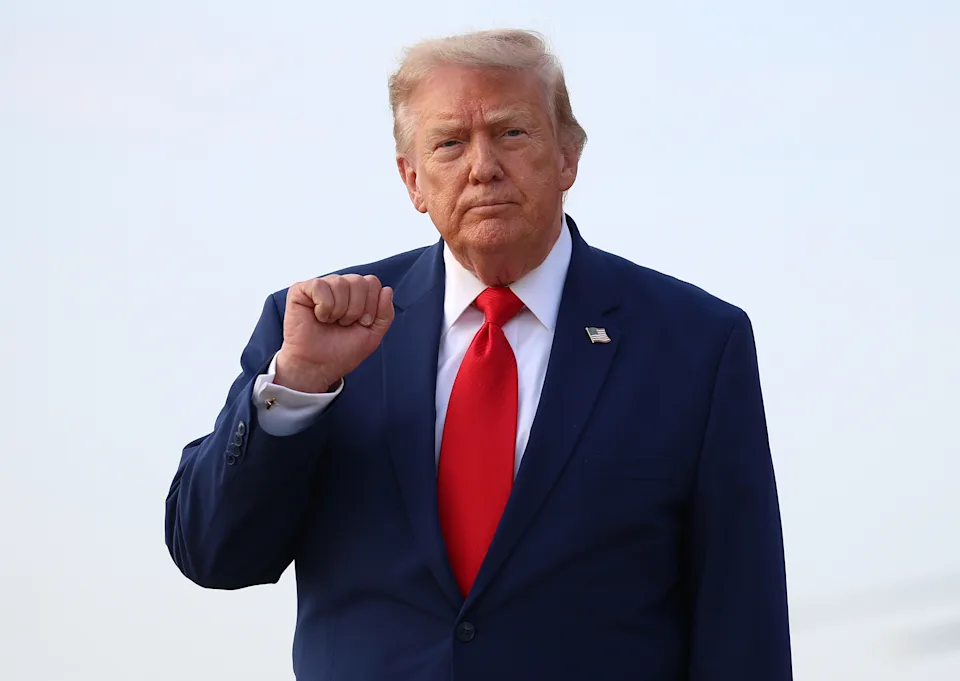
Trump's next phase of global tariffs goes into effect, affecting 99.4% of US imports
2026-07-24 :: :: yahoo finance -
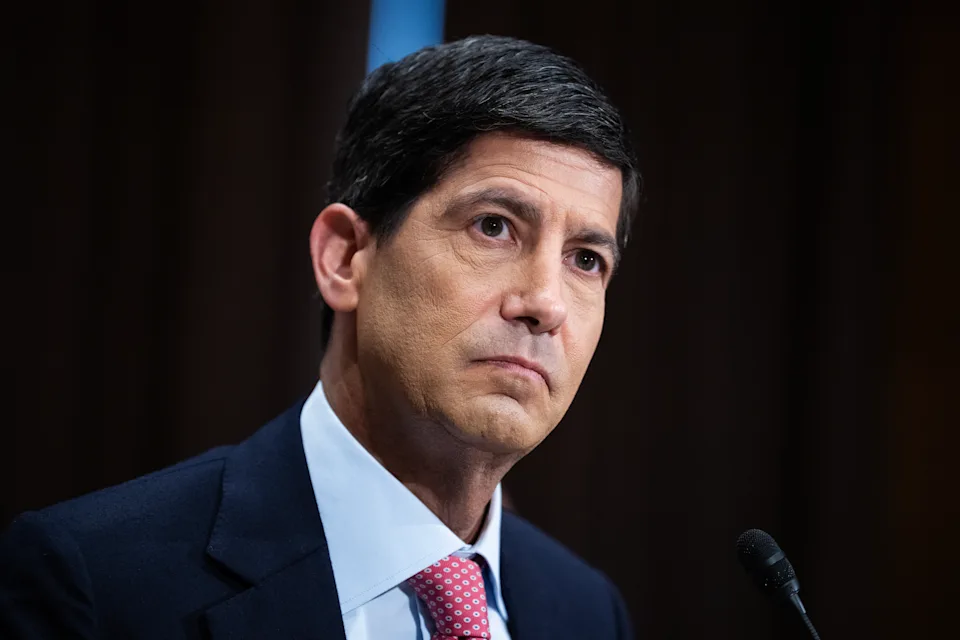
Fed expected to hold rates steady. But an interest rate hike isn't off the table
2026-07-27 :: :: yahoo finance -

A violent AI unwind is hiding beneath a resilient stock market: Chart of the Day
2026-07-22 :: :: yahoo finance
